
Utamed
Flow81
Client: Utamed
Copyright details: Photo credit: Fernando Alda
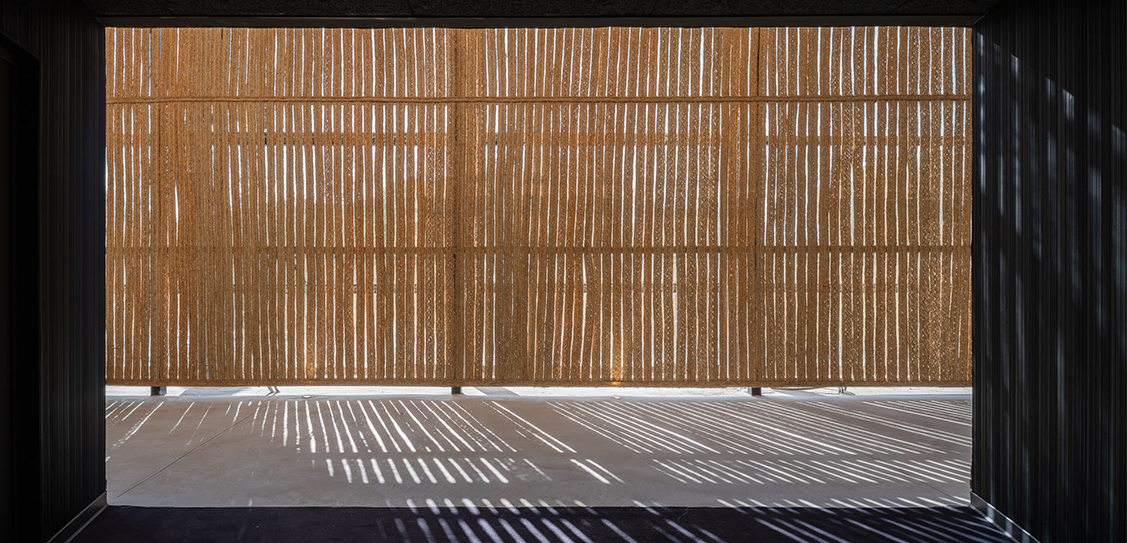
Atlantic Mediterranean Campus reimagines a former office building in Málaga as a flagship university that celebrates Andalusian identity, contemporary learning, and architectural reinvention. The project begins by stripping the existing structure down to its core, transforming it into an open, fluid space where natural light, vegetation, and movement shape the user experience. Large courtyards pierce the building, allowing nature to flow inward and dissolving the traditional boundaries between interior and exterior.The design’s most distinctive gesture is its use of curved forms, which wrap around the entrance and extend into the interior, replacing the rigidity of the original layout with a dynamic, expressive geometry. These curves symbolize the flexibility and creativity of students at the beginning of their academic journey, reflecting an architecture that moves, adapts, and inspires. A triple-height Andalusian courtyard becomes the social heart of the campus, functioning as a contemporary reinterpretation of regional architectural heritage. This central void encourages interaction, supports a sense of community, and brings natural ventilation and daylight deep into the building. Functionally, the project transforms an obsolete corporate structure into a flexible, people-centered educational environment suited to a 100% Andalusian online university. Walkways suspended around the courtyard create visual connections across floors and promote spontaneous encounters. The use of local, sustainable materials (such as esparto, wood, and regionally sourced finishes) reinforces environmental responsibility while celebrating traditional craftsmanship. The impact of the intervention extends beyond the building: by rehabilitating rather than constructing anew, the project promotes circularity, reduces waste, and revitalizes a business district in need of contemporary identity. Atlantic Mediterranean Campus stands as an example of how adaptive reuse, sustainability, and cultural authenticity can converge to create a meaningful, future-forward academic space