
The New Tashkent District 1 Architectural Guidelines
Cross Works
Client: Directorate of New Tashkent
Copyright details: Photo credit: Cross Works
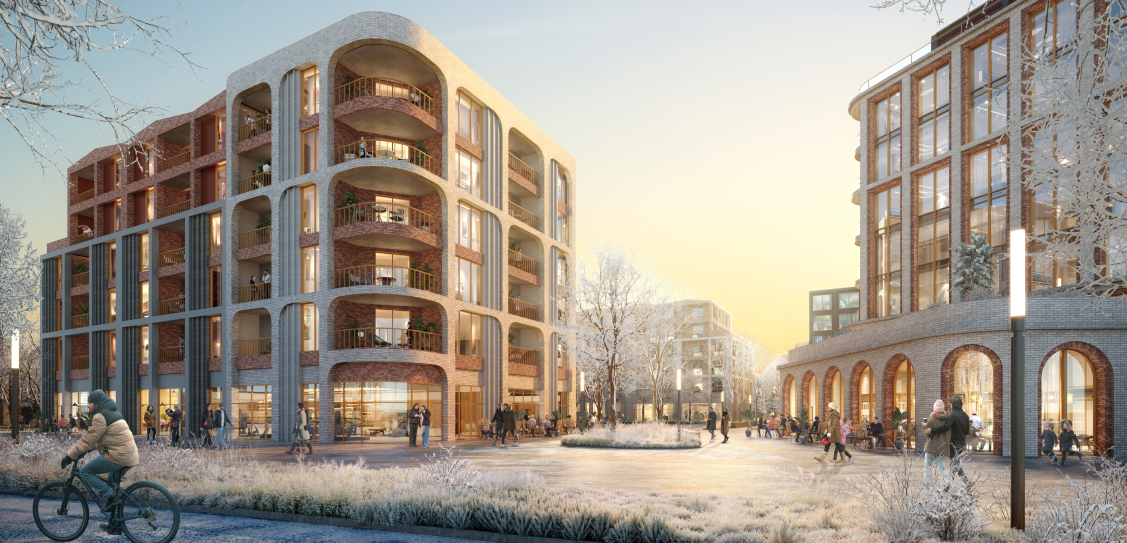
The New Tashkent (District 1) Architectural Guidelines, developed by Cross Works for the ‘Directorate for the Construction of New Tashkent’ establishes the foundational architectural design framework for Uzbekistan's most ambitious new urban development.Conceived to guide approximately 95% of the city's built fabric, the guidelines address residential, commercial, community and mixed-use buildings that shape everyday life, while deliberately excluding landmark and cultural buildings to preserve design freedom for iconic architecture (which, Cross Works claims, makes up the remaining 5%). The guidelines look to provide a framework for the architectural design of the various typologies, land uses and densities of buildings, across the New Tashkent masterplan. Form is driven by five core principles which were decided upon in collaboration with the Directorate of New Tashkent. Those being : Scale, Proportion, Articulation, Openings and Materiality. These principles result in a clear architectural framework for design, intended to provide an architectural language to the new city that is rooted in context, proportion, human scale and urban rhythm. The guidelines define building articulation, street frontage conditions and the careful balance of solid and void to create a coherent yet varied streetscape. Materiality is calibrated to the local climate and long-term durability, ensuring buildings age with dignity while reinforcing the visual identity of New Tashkent. Façade composition, setbacks and building heights are carefully orchestrated to establish a legible and harmonious urban grain. Function is embedded through flexible parameters that support diverse uses, adaptability over time and high-quality public interfaces. The document prioritizes clarity for designers and developers, enabling efficient delivery while maintaining design integrity across large-scale urban growth. Performance standards ensure comfortable, liveable environments that serve residents and visitors alike. Impact is framed socially, culturally and environmentally. The guidelines balance modern urban ambitions with respect for Uzbekistan's architectural heritage, encouraging sustainability, longevity and civic pride. They are conceived as a living document, non-regulatory but authoritative, capable of evolving with future generations, technologies and social needs. By combining consistency with controlled flexibility, the New Tashkent Architectural Guidelines provide a robust foundation for a cohesive, resilient and forward-looking capital city district that honours its context while embracing innovation and growth. The renders in the document are a potential outcome of the guidelines, as requested by the Client; however, these guidelines are intended to be descriptive, not prescriptive. They should allow for the future architects of the city’s individual buildings to have the freedom to design their specific plots, within the broad guidance set out by the principles in Cross Works guidelines, led by the Directorate, under the auspices of the Uzbek government.